
Boating Lessons Learned: Marine Battery Charger Failure
A couple of weeks ago a friend asked for my help. Her marine house batteries were dead leaving her without functioning DC systems. Bottom Line Up Front: Her expensive marine battery charger was shot. Upon closer inspection I found that the cooling air inlet to the charger was blocked with dust and debris. While I can not be sure I think that it is reasonable to expect that this was the root cause of the failure.
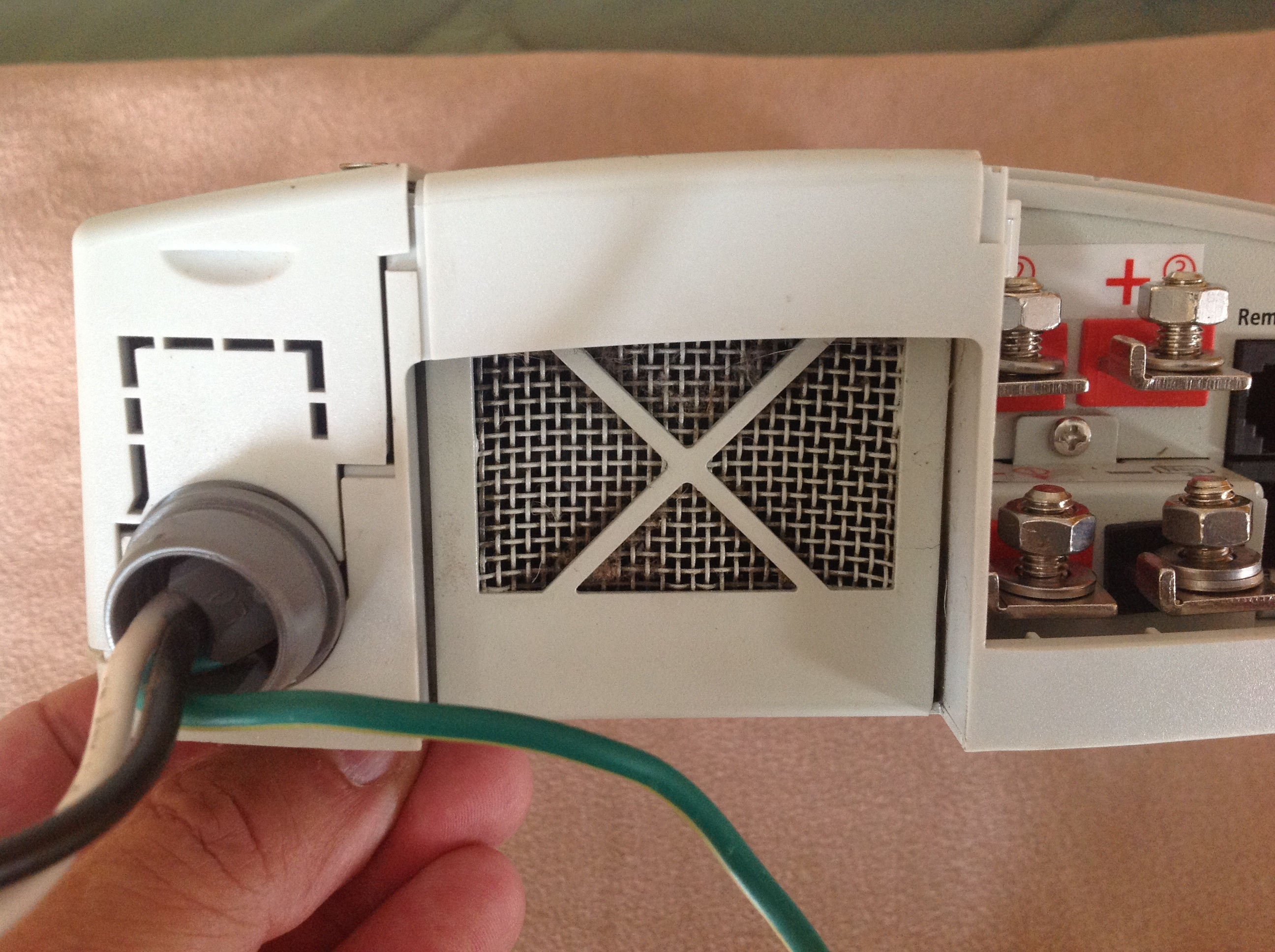
Blocked Cooling Air Vent
Unfortunately I removed most of the lint from the vent prior to taking this photo but you get the idea. I have seen this cause of failure 3 times in the last year. Many of these expensive solid state chargers rely on a pancake fan drawing air through a small opening to cool the electronics. The life of these $300-$400 chargers depends on a $3-$4 fan. When the fan dies or the inlet gets blocked with dust and lint the charger is not long for this world.
The location of her charger made it susceptible to a repeat of the problem so I sought a replacement charger that had passive cooling thereby not relying on a fan. I found this relatively inexpensive but good quality unit from Charles Industries. It is made in America and I have found Charles Industries to be the kind of company that I like to work with. Every time that I have called them I am greeted by knowledgable people who readily provide sound technical advice. I bought the 20 amp version because this model relies totally on the aluminum fins for cooling …. no fans to die or vents to block.
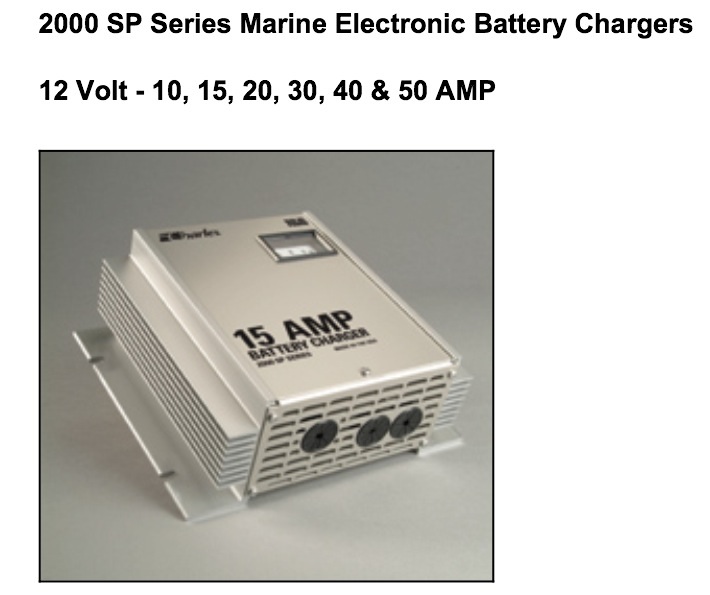
Charles Industries Marine Battery Charger
In this photo I have yet to complete the installation and tidy up the wiring but you can see that while this unit is in a good location for protection against heat and the weather that it is exposed to the dust and lint that falls into this compartment through the cracks around the hatch above.

Installation in progress.
I had to do some drilling to mount the unit to the wall so I cleaned up my mess with a small shop vac. I do not like to leave trash in the bilge area that over time might find its way down and into the bilge pump. What a shame it would be if a boat sank because the pump jammed up with shavings that I had left behind.
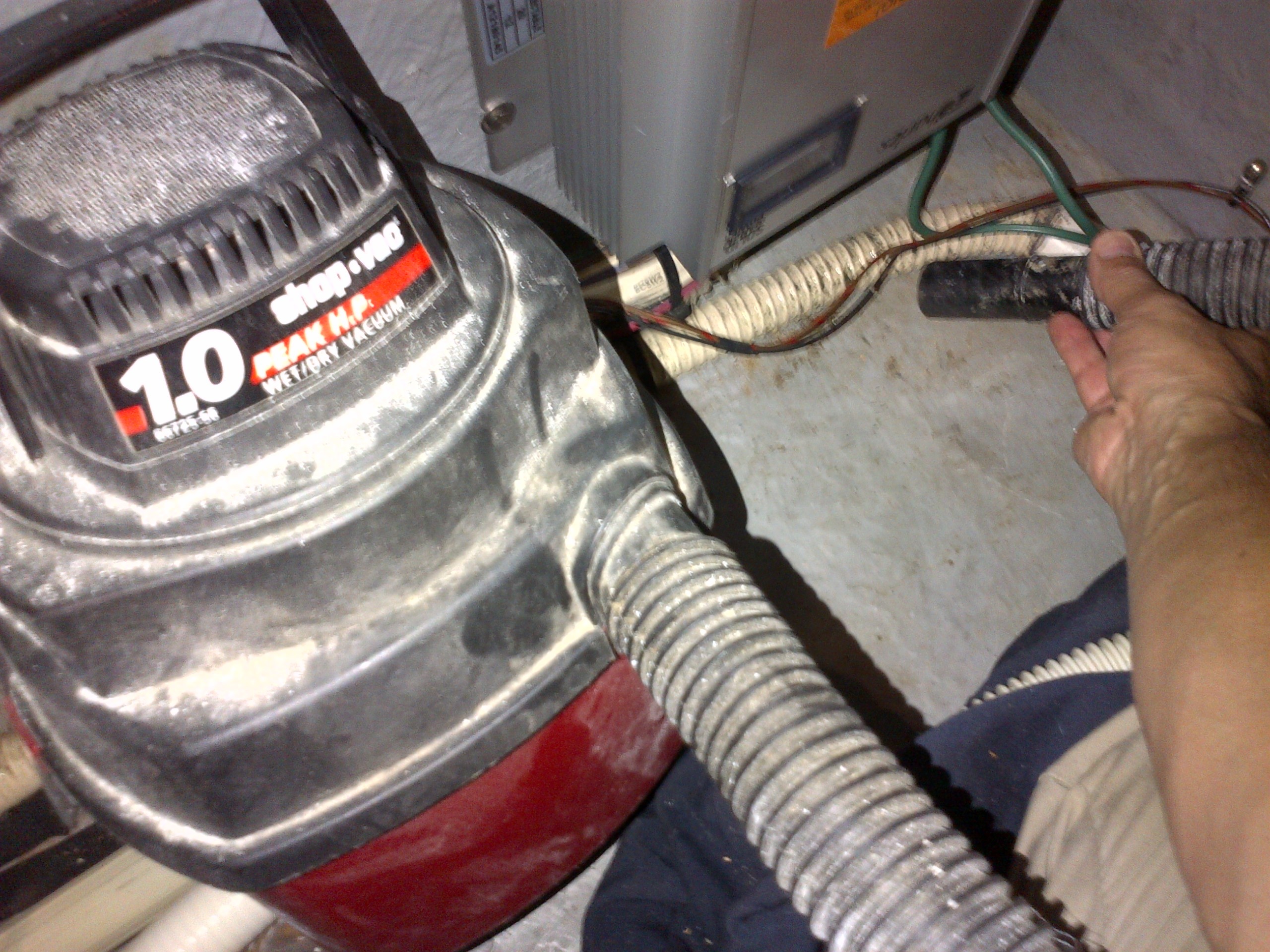
The new unit is up and running now with no complaints. All in all I would say that these are just more in a long line of Boating Lessons Learned.
OH. And thanks to all of you that have entered AMAZON
The content herein has a single theme: Mistakes …. or as I call them “Boating Lessons Learned”. While there may be elements of this site that appear to be advice about how to do some task you can be assured that it is not a complete and accurate “how to”. I am partially describing how I did something and what I learned. Do not rely on this information because Mcmanusboatworks.com makes no representations as to accuracy, completeness, correctness, suitability, or validity of any information on this site and is not liable for any errors, omissions, or delays in this information or any losses, injuries, or damages arising from its display or use. All information is provided on an as-is basis.

 Shop Amazon Thanks to all of you that have entered Amazon through my site and made a purchase. It costs you no more and I make a small percentage that goes to defray the cost of operation.


 Boating Lessons Learned